
A Celebration of Freedom, Culture, and Resistance
Every year on August 6th, the vibrant rhythms of reggae, the scent of jerk chicken, and the green, gold, and black of the Jamaican flag take center stage in a celebration that runs deep in the soul of the island: Jamaica’s Independence Day.
This isn’t just a party — it’s a powerful remembrance of struggle, resilience, and national pride.
A Brief History: August 6, 1962
On this day in 1962, Jamaica officially became an independent nation, breaking free from British colonial rule after more than 300 years of colonization. While Jamaica remained a part of the British Commonwealth (with the Queen as the ceremonial head of state at the time), independence meant that the country could now govern itself — create its own laws, elect its own leaders, and shape its own identity.
“Emancipate yourselves from mental slavery; none but ourselves can free our minds.”
- Bob Marley
That spirit lives on in every beat played on August 6.
🇯🇲 The Meaning Behind the Flag
The Jamaican flag, first raised on August 6, 1962, is a powerful symbol:
Hardships there are, but the land is green and the sun shineth.
1.- Black represents the strength and creativity of the people.
2.- Green symbolizes the lush vegetation and hope for the future.
3.- Gold reflects the natural beauty of the island and the warmth of the Jamaican sun.
Unlike most post-colonial flags, Jamaica’s contains no red, white, or blue, making it one of the most distinct in the world.
How Jamaicans Celebrate Independence Day
Independence Day is one of the biggest celebrations on the island, marked by:
Cultural Festivals:
1.- Traditional music and dance, including Kumina, Jonkonnu, and of course, reggae
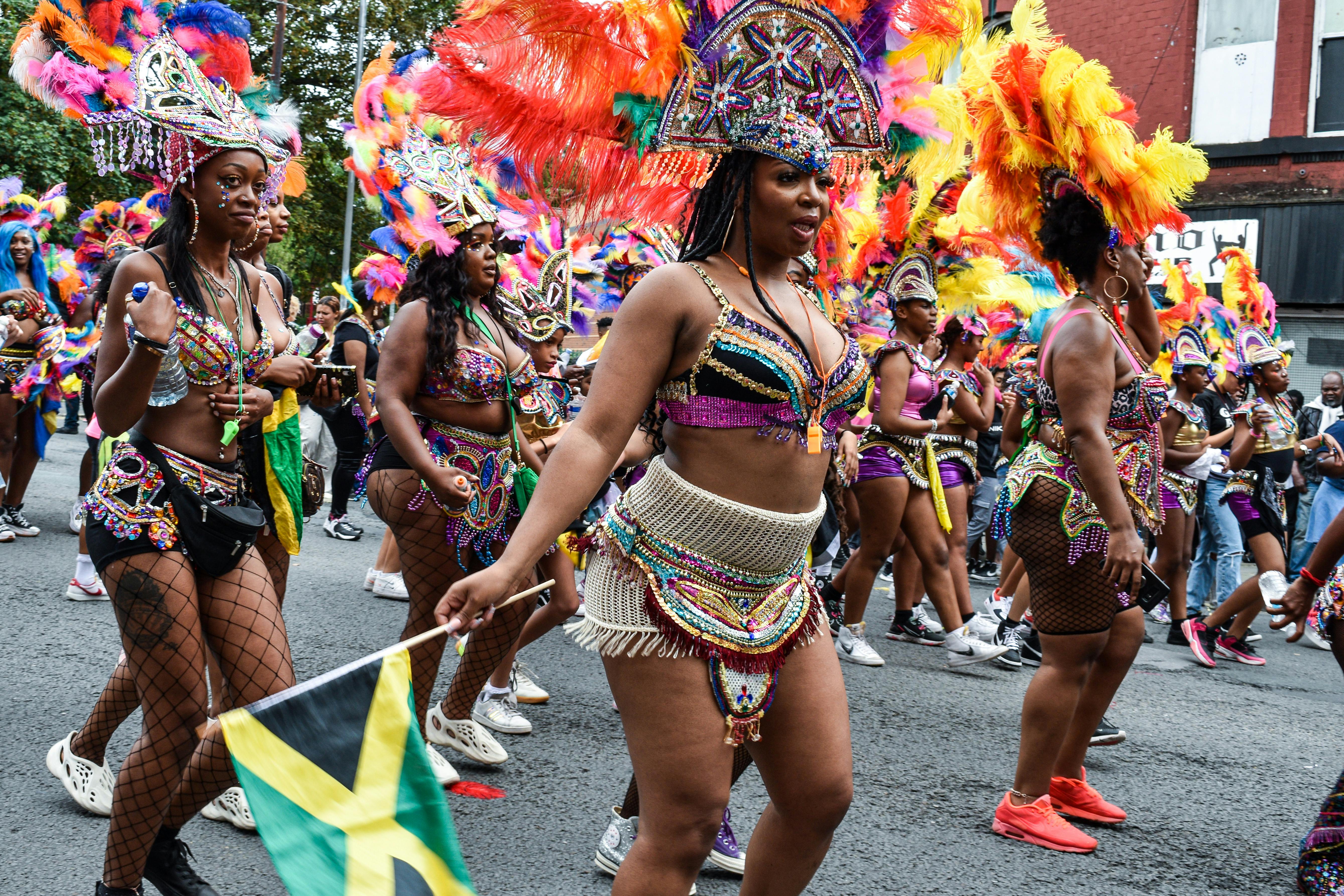
2.- Costume parades and street performances.
3.- Storytelling, drumming, and African-influenced rituals.
Food and Family
1.- Families gather for festive meals of ackee and saltfish, jerk chicken, curried goat, rice and peas, and festival.
2.- Local vendors fill the streets with authentic Jamaican cuisine and drinks like sorrel, ginger beer, and rum punch.
Fireworks and Flag-Raising Ceremonies
1.- Public spaces and homes proudly display the national flag.
2.- Fireworks light up the skies, especially in Kingston, Montego Bay, and other major towns.
Reggae and Independence: The Heartbeat of Jamaica
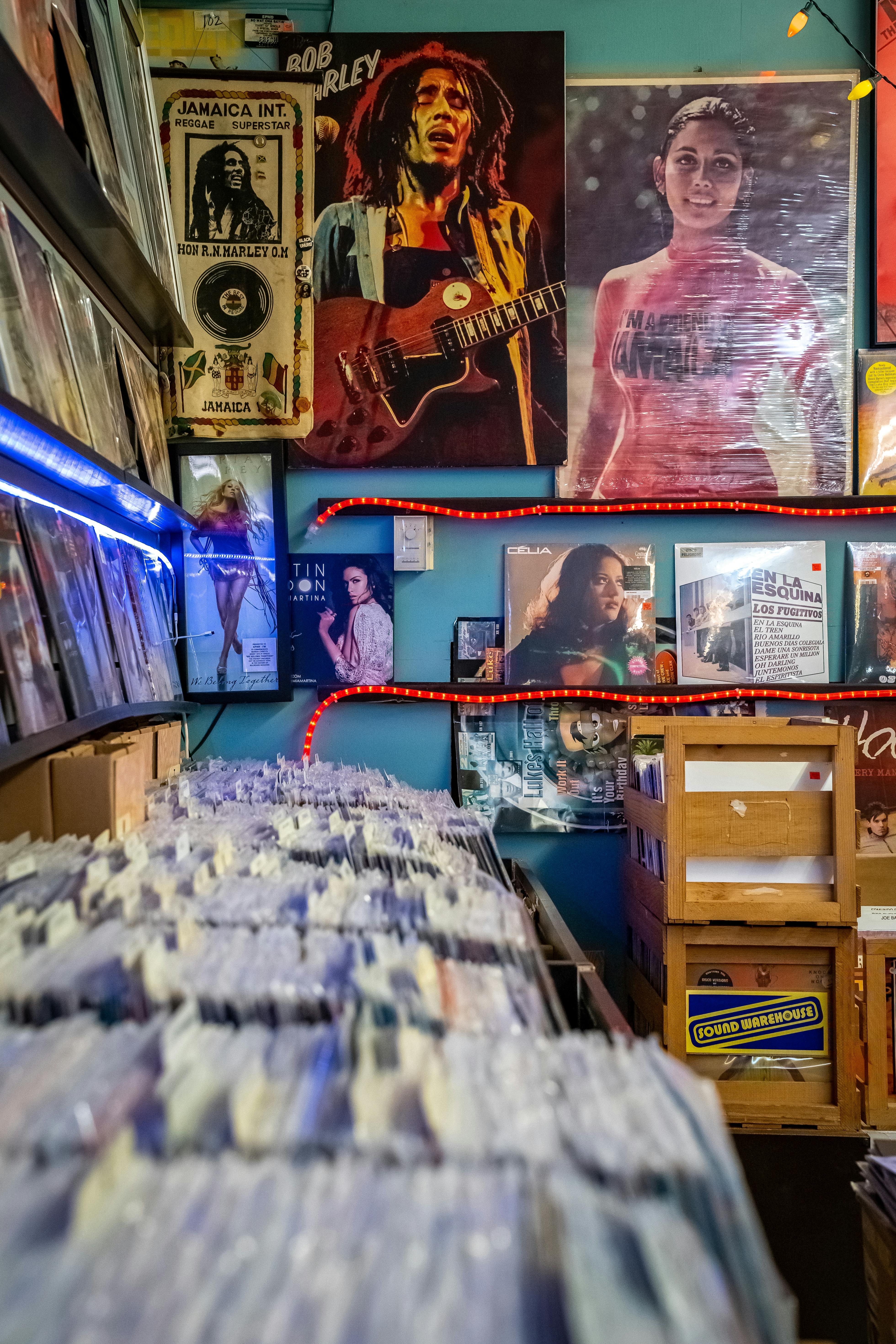
Reggae music, born out of political struggle and spiritual resistance, has always been tied to Jamaica’s national identity. Artists like Bob Marley, Peter Tosh, and Burning Spear created music that became anthems of independence, equality, and freedom.
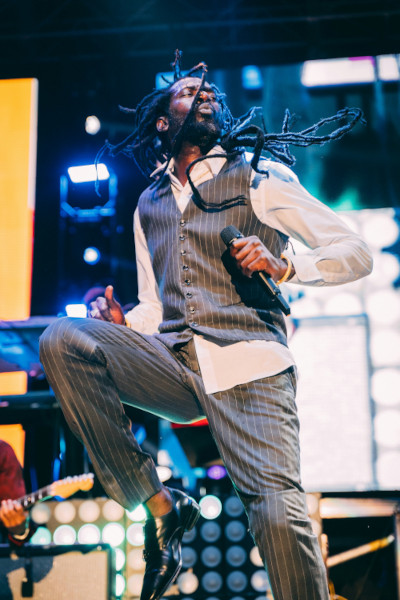
Today, Independence Day events feature live concerts, sound system clashes, and tributes to reggae legends who helped shape the global perception of Jamaican culture.
Jamaica’s Global Impact Since Independence
Since gaining independence, Jamaica has become a cultural superpower far beyond its size. The island has given the world: Reggae, Rastafarian philosophy, Olympic champions like Usain Bolt, Shelly-Ann, Fraser-Pryce. A voice for the African diaspora in art, activism, and identity
Jamaicans in the diaspora, especially in the U.S., Canada, and the UK, celebrate the holiday with the same passion, organizing community events, concerts, and parades.
More Than a Celebration
Jamaica’s Independence Day is not just about food and fun — it's a reflection of national pride, cultural resilience, and ancestral strength. It’s a day to remember where Jamaica came from, honor those who fought for freedom, and continue building a future rooted in justice, unity, and identity.
So whether you're in Kingston or Toronto, Montego Bay or New York — if you carry Jamaica in your heart, August 6th is your day to wave the flag high and loud.
One Love. One Nation. Forever Jamaica.