


In the streets of Kingston, where the sun bakes the pavement and the air is thick with rhythm, a revolution took shape — not with weapons, but with speakers, studios, and spinning records. The vinyl record didn’t just carry sound in Jamaica… it carried identity, rebellion, and soul.
From the early days of mento to the dubwise experiments that echoed across continents, the story of Jamaican music is inseparable from the story of vinyl.
From Sugar Fields to Studios: The Birth of Jamaican Sound
“Vinyl wasn’t just a format; it was the medium through which Jamaican music was spread, shared, and lived. Every record was a statement — a direct connection between the artist and their community.”
— Lloyd Bradley, Bass Culture: When Reggae Was King
The 1950s were a time of transition in Jamaica — politically, culturally, and musically. The country was still under British rule, but a sense of independence was beginning to brew. Amid this energy, the sound of mento — a fusion of African rhythms, European folk, and calypso — filled the island.
One of the first to see the potential of recorded Jamaican music was Stanley Motta, who in 1951 established one of the earliest Jamaican recording studios in Kingston. Using rudimentary equipment and pressed vinyl records, he captured voices like Lord Fly, producing tracks like “Whai! Ay!” — simple, joyful, but powerful in what they represented: Jamaica, recorded by Jamaicans, for Jamaicans.
This was the seed that would grow into a cultural force.
Sound Systems: The People’s Turntable
While the radio was controlled by the elite, it was the sound system that gave voice to the people.
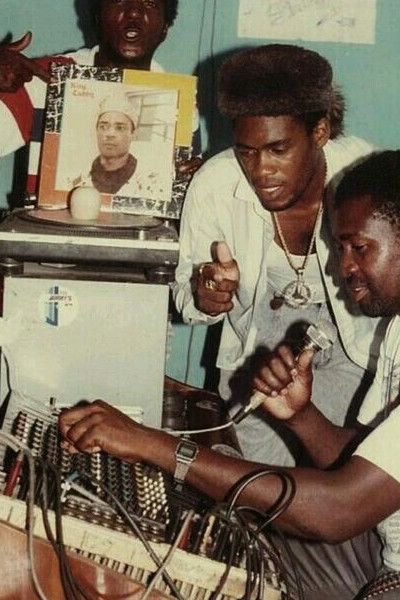
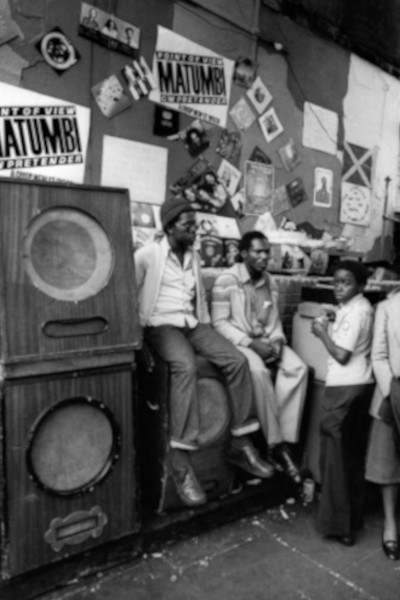
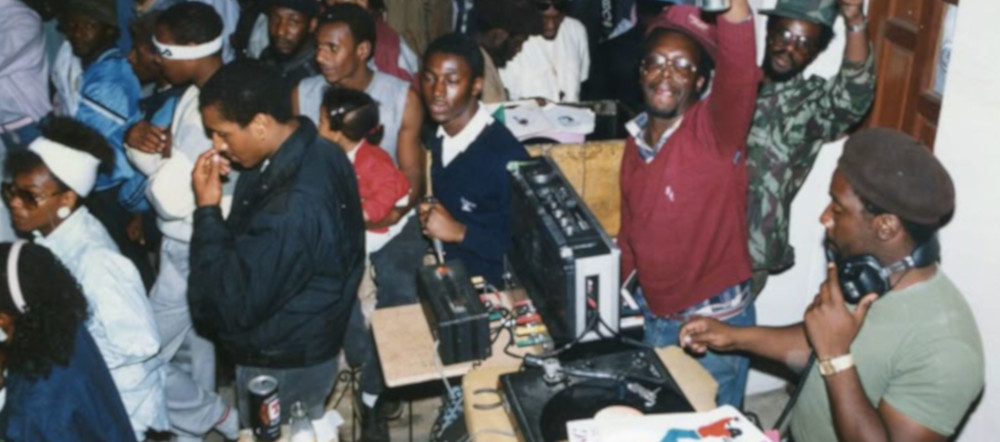
Imagine this: giant wooden speakers mounted on carts, turntables spinning 7-inch records, and crowds dancing in backyards, alleyways, and dusty lots. Sound system operators — known as selectors and toasters — would play the freshest records, imported from the US or cut locally. These parties became the heartbeat of Jamaican communities.
Figures like Tom the Great Sebastian, Clement "Coxsone" Dodd, and Duke Reid built legendary systems that not only entertained but shaped the evolution of Jamaican music. With competition fierce, these pioneers had exclusive dub plates and custom cuts pressed on vinyl — sometimes just one copy — making the medium as competitive as it was artistic.
The Rise of Ska, Rocksteady & the Early Pressings
As the '60s arrived, ska was born — an uptempo, horn-driven style that reflected a nation on the verge of independence. Vinyl was booming. Producers like Coxsone Dodd’s Studio One and Treasure Isle were churning out hits from rising stars like The Skatalites, Toots & The Maytals, and The Wailers.
Vinyl became the standard. 7-inch singles, known as “45s,” were cheap to press and easy to distribute. Every dance needed new music, and every sound system needed fresh ammo.
Soon, ska slowed down into rocksteady, giving more room for soulful vocals and bass-heavy riddims. The vinyl format allowed producers to experiment — to remix, to extend versions, and eventually… to create dub.
Dub and the Vinyl Revolution
Dub music — invented in the late ‘60s and early ‘70s by visionaries like King Tubby, Lee “Scratch” Perry, and Errol Thompson — was a direct result of vinyl’s versatility.
By stripping down existing tracks and adding echo, reverb, and delay, these producers turned the vinyl into a psychedelic canvas. And with the creation of “Version” sides — instrumentals on the B-side of a single — deejays and toasters could ride the rhythm live, giving birth to what would later influence hip-hop.
It was on vinyl that these versions were shared, passed from selector to selector, and broadcast across the sound systems that defined Kingston’s nights.
The Decline... and the Spiritual Return
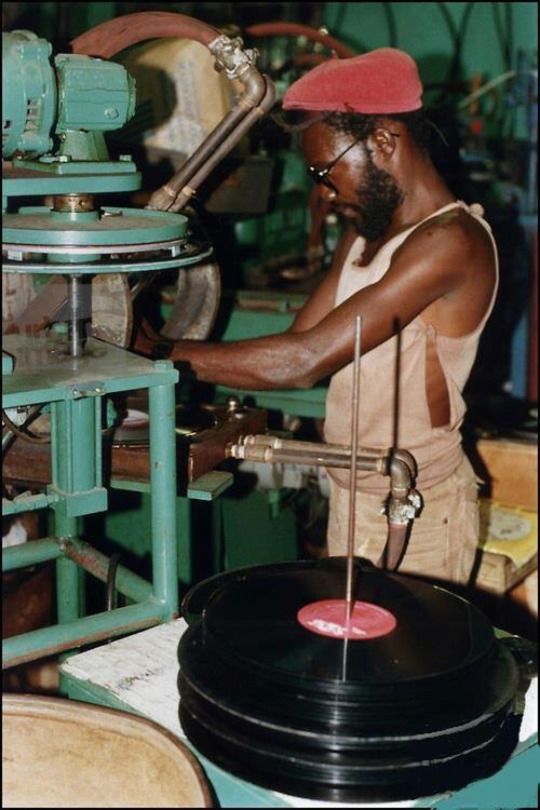
As CDs and digital files took over in the 1990s and 2000s, Jamaica — like the rest of the world — saw its vinyl industry shrink. Record pressing plants closed, turntables gathered dust, and collectors became guardians of a fading legacy.
But then... the revival came.
Across the island, and across the world, vinyl returned. Young people started digging through crates. Dubplate culture came back. Collectors began hunting for original Studio One pressings. Events like Dub Club in LA or Reggae Geel in Belgium featured only vinyl.
In Kingston, stores like Rockers International and new pressers like Tuff Gong International once again started pressing limited runs, celebrating the warm, analog sound of Jamaica’s golden age.
✊🏾 Long Live the Groove
Today, the vinyl tradition in Jamaica continues — as art, as culture, and as resistance. It reminds us that sound is sacred. That roots are important. That reggae was never just music — it was a movement pressed into black wax.
So next time you hear that warm crackle before the beat drops… Know that you are not just hearing a song. You are hearing a revolution, spinning at 33 or 45 RPM.
🎙️ Let the needle drop. Let the soul rise.
In Kingston, stores like Rockers International and new pressers like Tuff Gong International once again started pressing limited runs, celebrating the warm, analog sound of Jamaica’s golden age.